Coach's Corner: D1 Expert Shares Ways To Train, Perform, Recover Like World Cup Players | D1 Daily

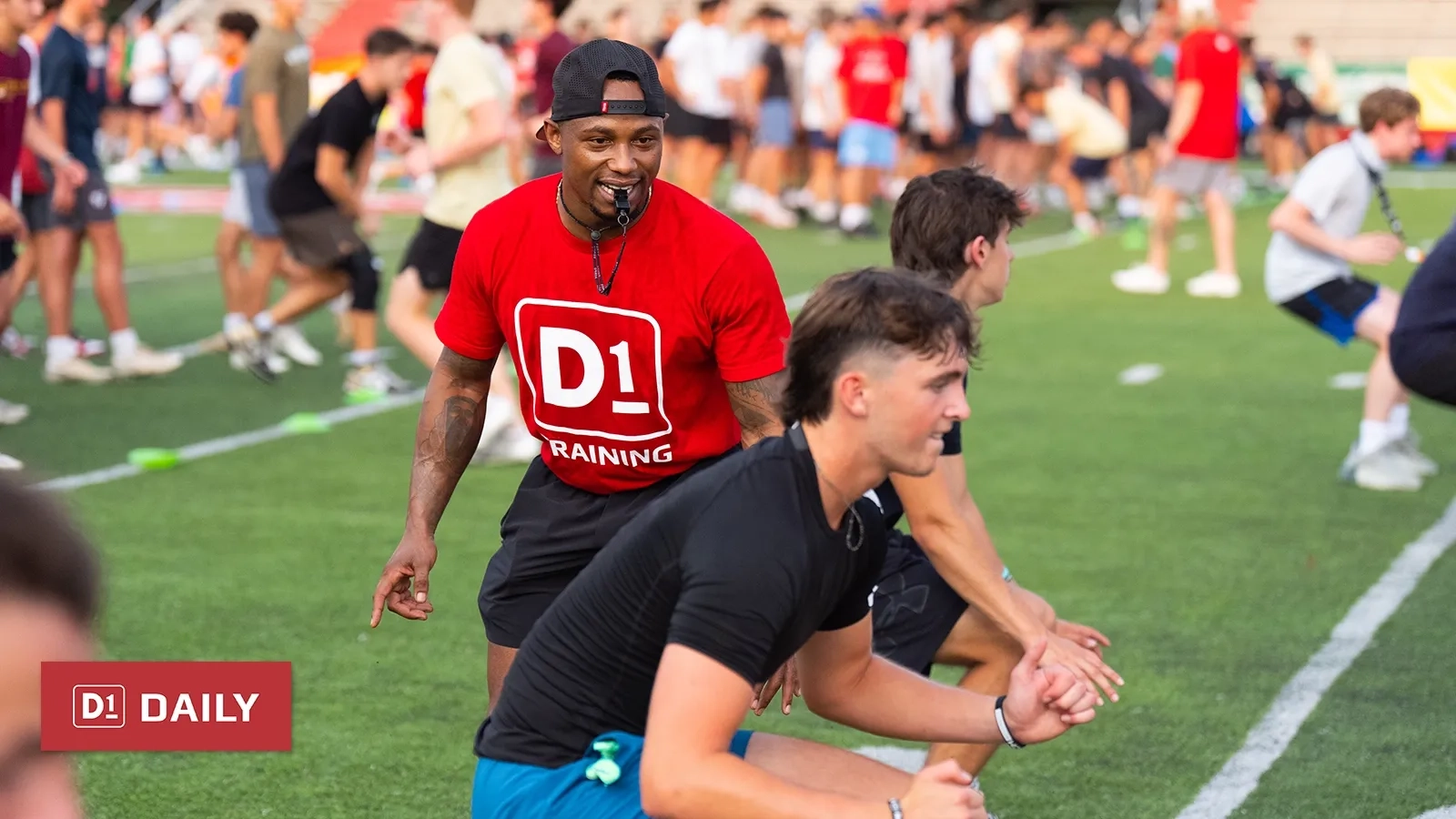
Clif Marshall is D1’s Senior Director of Pro Athlete Training and Coaching. In this Coach’s Corner, Clif shares different warm-ups, workouts, and recovery tips that can help athletes train like a FIFA World Cup athlete.
With the FIFA World Cup capturing the attention of fans across the globe, athletes everywhere are watching the world's best compete on soccer's biggest stage. Whether you're a young athlete chasing the next level or a former competitor looking to get back in the game, success starts with training like an elite athlete. Developing strength, speed, power, and confidence through purposeful training can help you perform at your best.
Low-Intensity & High-Intensity Cardio Workouts & Warm-Ups
To build a world-class aerobic engine, you have to train both ends of the energy spectrum. Soccer is a sport of prolonged movement punctuated by explosive sprints, so our training must reflect that.
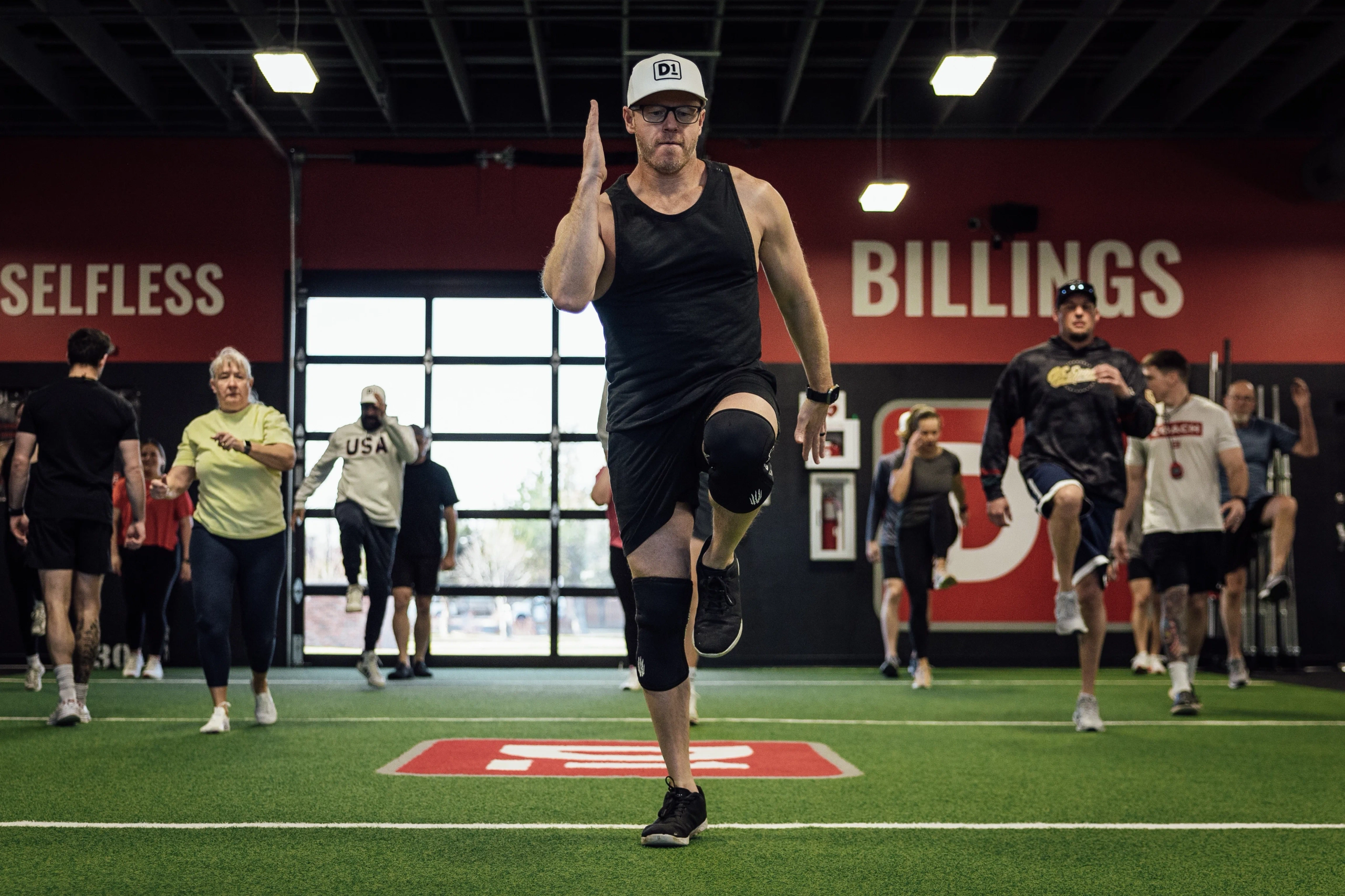
The Warm-Up (The D1 Dynamic Warm-Up)
Before diving into intensity, every athlete must prime the central nervous system and optimize tissue length.
The Routine: Perform each movement for 20 yards, focusing on perfect posture and form.
- High Knees (1x20 yards) – Focus on rapid ground-contact and pumping arms.
- Butt Kicks (1x20 yards) – Fast rhythm, warming up the hamstrings.
- Lateral Shuffles (1x20 yards each way) – Low stance, staying on the balls of the feet.
- A-Skips (1x20 yards) – Driving the knee up, coordination, and rhythm.
- World’s Greatest Stretch (5 reps per side) – Deep lunge with thoracic rotation to open up hips and T-spine.
- Straight Leg Kicks (10 reps each leg) – Activate the hamstrings. Simple reminder: “Toe up. Leg straight. Stay tall.”
Low-Intensity Cardio: Aerobic Base Building
Low-intensity training (Zone 2 cardio) builds the cellular machinery—like mitochondrial density—needed to sustain performance for a full 90-minute match.
Example: The Pitch-Length Tempo Run
- The Drill: You will utilize the length of a standard soccer pitch (approx. 100 yards).
- Execution: Stride down the length of the field at roughly 60% to 70% of your maximum effort (a fluid, easy stride, not a sprint). Use the width of the field (the endline) as a walking recovery zone to drop your heart rate.
- Volume: 10 to 12 laps (1 lap = 2 lengths of the pitch).
- Total Time: 15–20 minutes.
High-Intensity Cardio: Anaerobic Power & Recovery
High-intensity interval training (HIIT) replicates the intense match-play moments—tracking back on defense, making a breakaway run, or pressing high up the pitch.
Example: The 15/30 Interval Sprint (The "D1 Match Engine")
- The Drill: Maximal exertion bursts followed by incomplete recovery to force the body to clear lactic acid rapidly.
- Execution: Sprint at 95%+ maximal effort for 15 seconds, followed by 30 seconds of a slow walk/complete rest.
- Volume: 2 sets of 8 reps. Rest 2 to 3 minutes between sets.
- Total Time: Approx. 15 minutes.

How These Workouts Improve Cardio for FIFA Athletes vs. Everyday Players
The physiological benefits translate perfectly whether you are stepping onto the pitch in front of 80,000 screaming fans or playing in a local weekend league:
- For the FIFA Athlete: Elite soccer players run up to 7 miles per match, consisting of hundreds of discrete sprints. The low-intensity work acts as the foundation—it allows their heart rate to quickly recover to baseline during the match after an explosive effort. The high-intensity work expands their top-end speed endurance, ensuring that their 50th sprint of the game is just as fast and powerful as their first.
- For the Everyday Soccer Player: The average recreational or club player often lacks the aerobic base to survive a full game without hitting a "wall." Integrating both low- and high-intensity work maximizes time efficiency. The low-intensity work protects their joints and builds stamina, while the high-intensity intervals quickly supercharge their lung capacity and metabolic efficiency, keeping them from fatiguing in the second half.
What’s impressive is that soccer isn’t just distance running. Players repeatedly:
- Sprint
- Accelerate and decelerate
- Change directions
- Jump
- Tackle
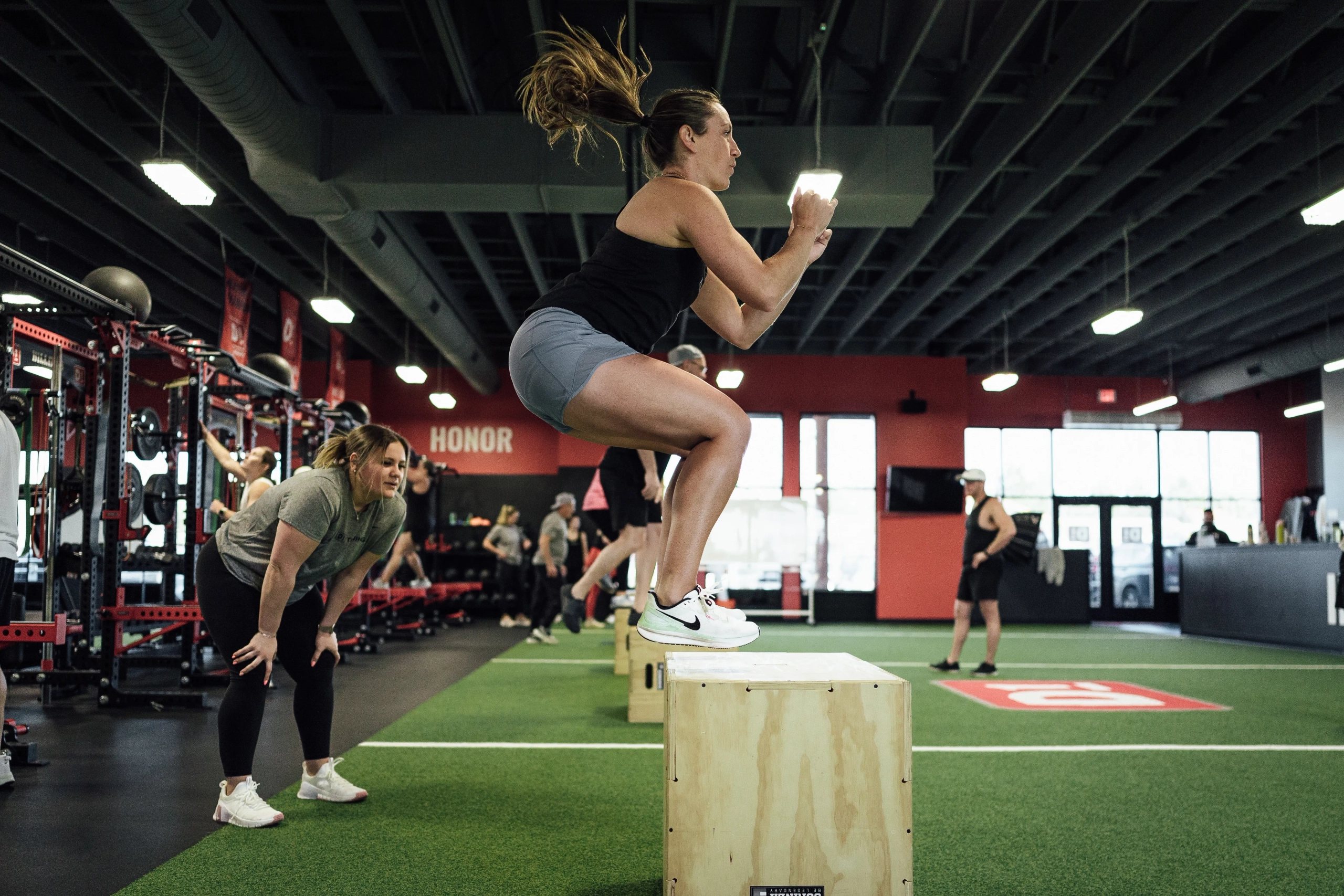
So a soccer player covering 7 miles is doing it with hundreds of high-intensity actions mixed in, making it far more demanding than simply jogging 7 miles continuously.
Recovery Tips To Maximize Performance
At D1, we believe that you cannot out-train bad recovery. Here are some recovery tips that will help improve cardiovascular performance:
- Prioritize Sleep: Aim for 8–10 hours per night. Sleep is the most powerful recovery tool available.
- Hydrate Aggressively: Dehydration negatively impacts heart rate, endurance, and recovery. Aim for half your body weight in ounces every day. (Example: A 160-pound person should drink 80 ounces of water each day.)
- Fuel Properly: Consume carbohydrates to replenish glycogen and protein to repair muscle tissue after training.
- Recover Immediately: Eat and hydrate within 30–60 minutes following intense exercise.
- Manage Stress: High life stress creates the same physiological burden as training stress.
- Move Daily: Light walks, mobility work, swimming, or cycling can enhance recovery between hard sessions.
- Monitor Readiness: Pay attention to resting heart rate, energy levels, sleep quality, and soreness.
- Respect Recovery Days: Fitness improves during recovery, not during the workout itself.
A simple rule for athletes: The quality of your recovery often determines the quality of your next training session. Train hard, then recover hard!

D1 Training is built for the Everyday Athlete—no matter your age or fitness level. Whether you’re looking for personalized coaching through personal training, the energy and accountability of a group fitness class, or a variety of high-impact fitness classes, our expert coaches are here to help you reach your goals. D1 also specializes in youth strength and conditioning, developing young athletes with age-appropriate programming that builds confidence, strength, and long-term success. Wherever you are in your fitness journey, D1 is the place to train.
Related Articles
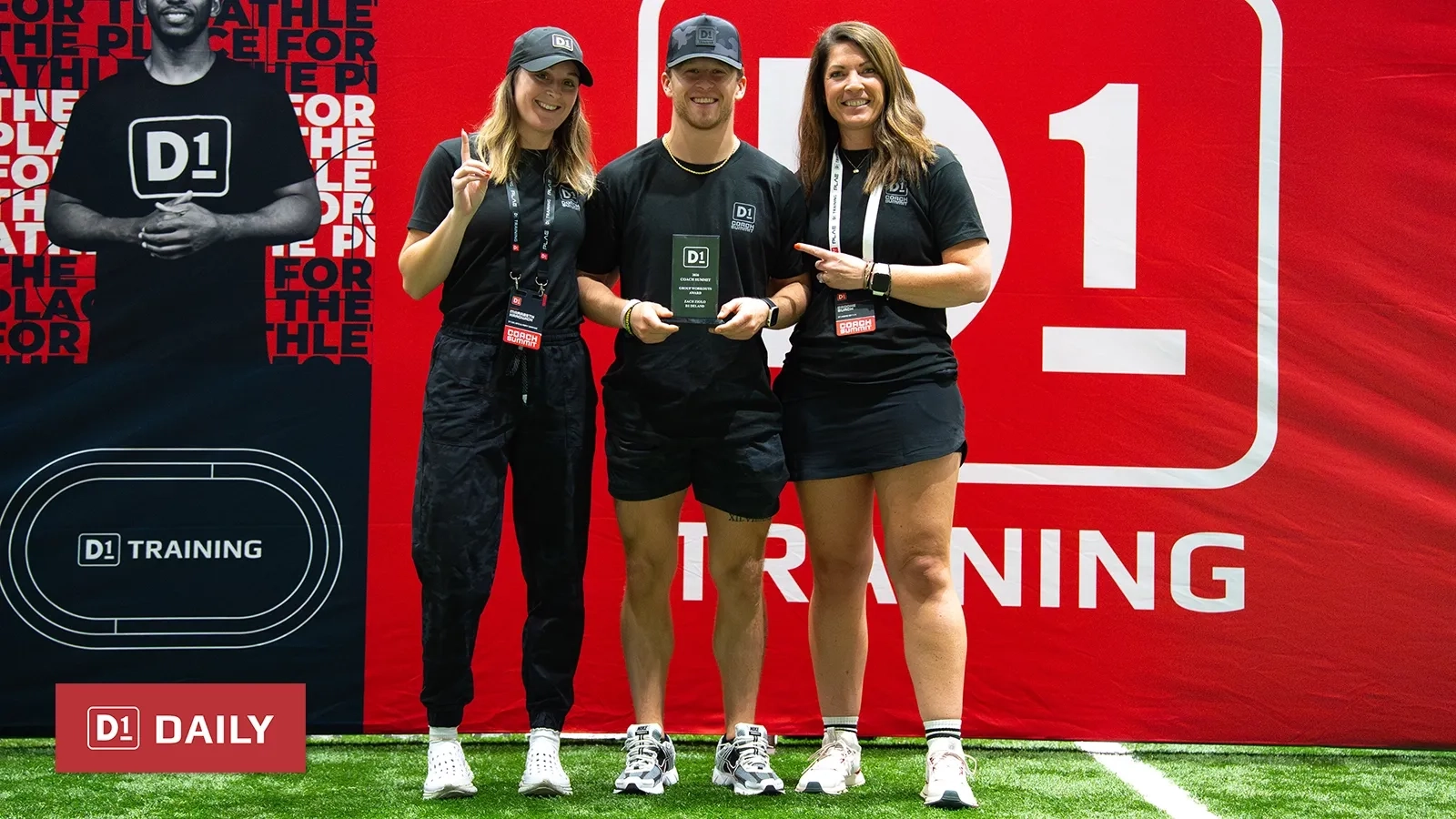
Here For The Hardware! Check Out The 9 Award Winners From 2026 D1 Coach Summit | D1 Daily
D1 Training Coach Summit 2026: Day 2 Features Education & Fun At New Orleans Saints Facility