Coach's Corner: Five Ways For Aspiring Athletes To Train Their Minds, Bodies, Habits | D1 Daily
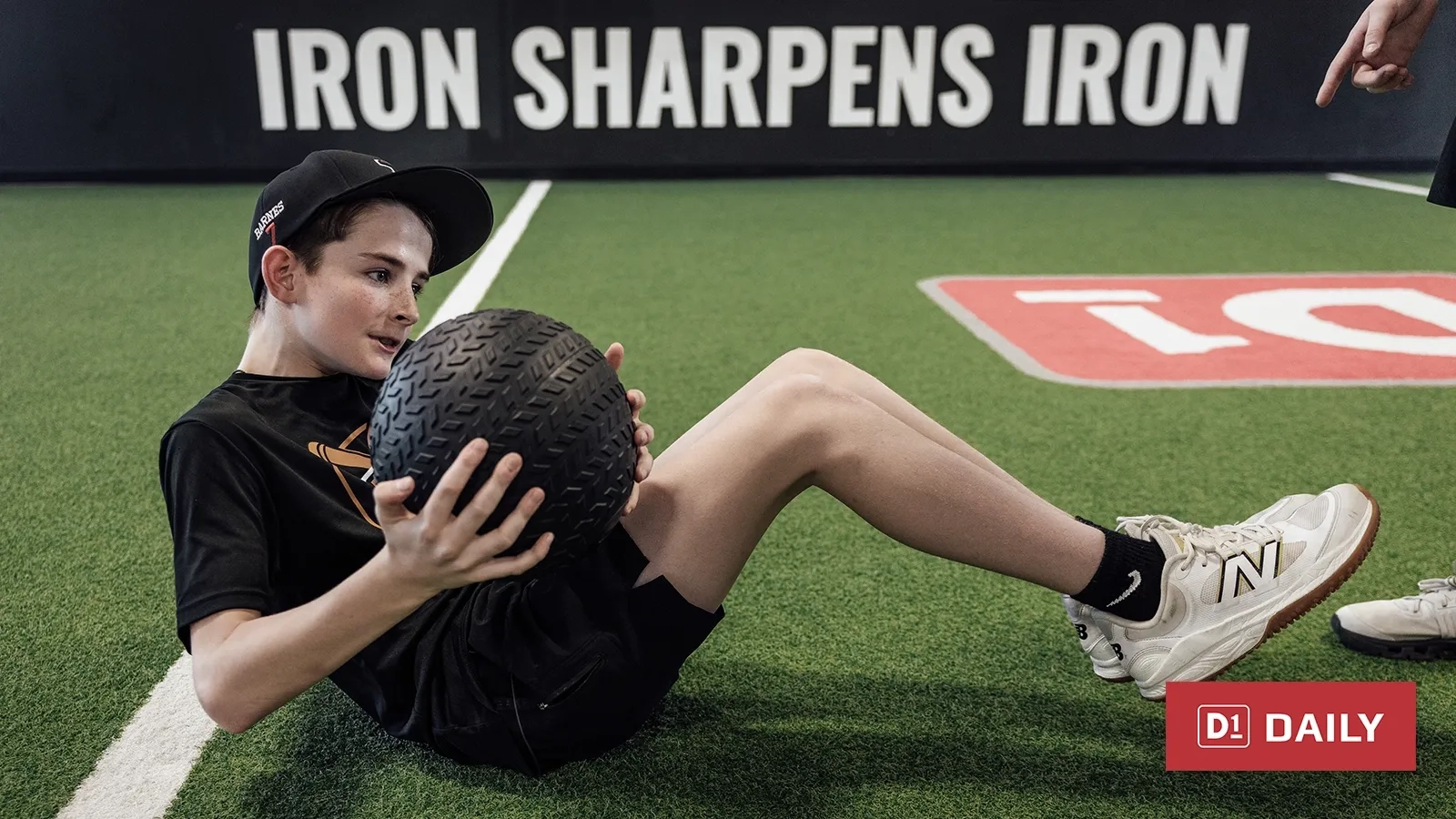
Clif Marshall is D1’s Director of Pro Athlete Training and Senior Director of Coaching. In this Coach’s Corner, Clif shares the lessons he has learned throughout his 25-year coaching career. The information comes from a recent webinar for D1's Summer Athlete Program.
Over the past 25 years, I've had the opportunity to work with athletes at every level—from youth sports to college programs to the NFL, NBA and MLB. While every athlete's journey is different, the ones who consistently reach the highest levels all have one thing in common: they commit to improving every single day.
Talent can open doors, but discipline, consistency and the right mindset are what keep those doors open.
When I recently spoke with a group of young athletes during a webinar, I wanted them to understand that becoming a great athlete isn't just about getting bigger, faster or stronger. It's about developing yourself physically, mentally and spiritually so you can become the best version of yourself.
Here are five lessons I believe every athlete should embrace:
Know Where You Are Before You Decide Where You're Going
One of the biggest mistakes I see young athletes make is focusing too much on where they want to be instead of honestly evaluating where they are today.
Before you set goals, you have to identify your strengths and weaknesses.
Maybe you're naturally explosive but need to improve your endurance. Maybe you're fast but need to get stronger. Every athlete has areas where they excel and areas where they need to improve.
That's why assessments matter. Testing your strength, speed, power, conditioning and movement gives you a clear picture of where you stand and what needs attention.
I always tell athletes:
"You need to write down right now what your strengths are as an athlete and what are your weaknesses. And it's our job as coaches and as parents to help you maximize your strengths and minimize your weaknesses."
Once you know where you are, you can train with purpose instead of simply going through the motions.
What You Do During the Other 22 Hours Matters Most
As coaches, we may get two hours with you each day.
What happens during the other 22 hours is up to you.
Those hours determine how much you actually improve.
I tell athletes all the time:
"We as coaches have two hours to develop you as an athlete, but you decide what you're going to do with those other 22 hours. How you eat, sleep and live is going to dictate how effective those two hours of training really are."
If you want to perform like a professional someday, start living like one today.
That means getting enough sleep, fueling your body with quality food and taking recovery seriously.
Some habits I encourage every athlete to develop include:
- Get at least nine hours of sleep every night.
- Eat three balanced meals each day.
- Prioritize fruits, vegetables and lean protein.
- Aim for one gram of protein per pound of body weight.
Your body can only perform at the level you prepare it to perform.
Train yourself to be a pro long before you ever become one.
Train the Whole Athlete
Physical training is only one part of becoming a complete athlete.
I believe the greatest athletes train their mind, body and spirit together.
As I shared during the webinar:
"I believe that the mind controls the body, but the spirit controls the mind. And when you can combine all three, you can really level up your game."
Your confidence, attitude, discipline and character all influence how you perform when competition begins.
When you develop yourself from the inside out, you're not just becoming a better athlete. You're becoming a better teammate, a better leader and a better person.
Your Response Determines Your Outcome
Every athlete will face adversity.
You'll have bad games. You'll lose. You'll struggle through difficult workouts. You may get injured or experience disappointment.
Those moments don't define you. Your response does. One of my favorite principles is simple:
Event + Response = Outcome.
You can't control every event that happens in your life, but you always control how you respond.
I told the athletes:
"There's going to be moments when you're not confident. There's going to be moments when you're struggling to push through a workout. I want to encourage you not to focus on the event, but to instead focus on your response."
I've always believed that life is about 10% what happens to you and 90% how you respond.
When you stay focused on what you can control, you'll continue moving forward no matter what obstacles come your way.
Success Is Built Every Day
There isn't one workout, one practice or one game that makes an athlete successful.
Success is built through thousands of small decisions.
It's built by identifying your weaknesses and attacking them.
It's built by maximizing your strengths.
It's built by getting enough sleep, eating the right foods and showing up consistently.
And it's built by responding the right way when adversity inevitably comes.
The athletes who commit to improving every day—physically, mentally and spiritually—are the ones who give themselves the best chance to reach their full potential.
Keep showing up. Keep growing. Keep training like the athlete you want to become.

D1 Training is built for the Everyday Athlete—no matter your age or fitness level. Whether you’re looking for personalized coaching through personal training, the energy and accountability of a group fitness class, or a variety of high-impact fitness classes, our expert coaches are here to help you reach your goals. D1 also specializes in youth strength and conditioning, developing young athletes with age-appropriate programming that builds confidence, strength, and long-term success. Wherever you are in your fitness journey, D1 is the place to train.