Coach's Corner: How Much Daily Training Do You Need To Rebuild Muscle After 50?
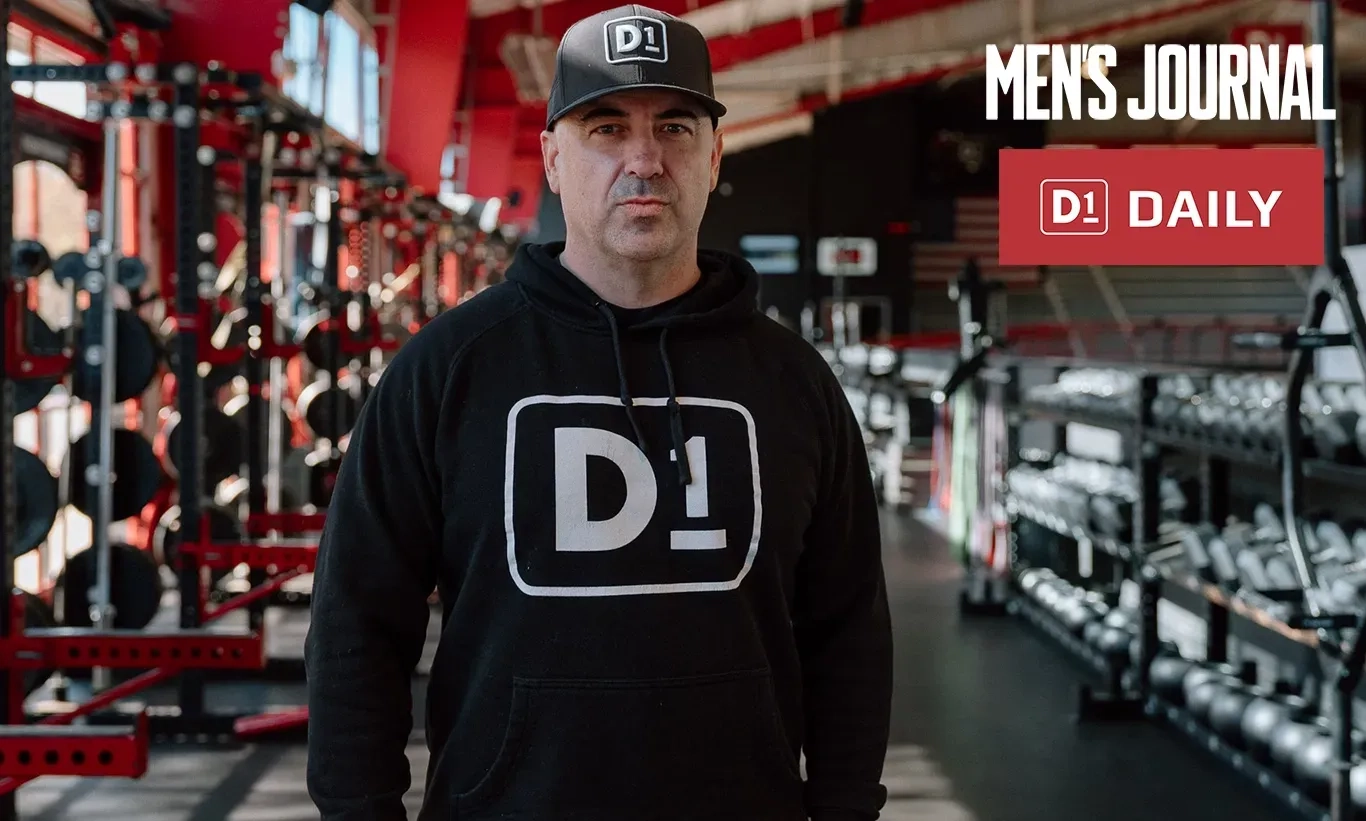
Clif Marshall is D1 Training's Senior Director of Coaching and Pro Training. Each week in D1 Daily, Clif shares his insight gained from more than 20 years working in strength and conditioning.
Editor’s Note: Clif recently had the opportunity to contribute to an “Eat This, Not That” article about strength training for people over 50. What follows is a Q&A and other info that Clif submitted to the publication’s editors. To read the full article, go here.
You don’t need to live in the gym to see results, as consistency beats intensity at this stage. For most adults over 50, 30–45 minutes of strength-based training three to five times per week is ideal, with functional movement everyday.

The key is focusing on progressive overload; gradually increasing resistance, reps, or time under tension. On non-lifting days, active recovery, like walking, mobility drills, or light cardio, keeps joints healthy and muscles primed.
Think of training as movement medicine, a daily dose keeps you strong, agile, and confident.
Why Does Muscle Mass Decline After 50, and What Role Do Hormones and Metabolism Play?
After 50, your body naturally produces less testosterone, growth hormones, and IGF-1, all crucial for building and maintaining muscle. Combine that with a slower metabolism and reduced protein synthesis, and it’s easy to see why strength fades if you’re inactive.
But here’s the good news: strength training acts like a hormonal wake-up call. It boosts natural testosterone and growth hormone levels, while improving insulin sensitivity and metabolic rate.
Your muscles don’t care how old you are, they respond to consistent, smart resistance training.
How Quickly Does Muscle Loss Happen If Someone Over 50 Stops Training or Reduces Activity?
Unfortunately, “use it or lose it” is real. Within three weeks of reduced activity, muscle strength and size begin to decline, especially in the lower body.
After about two months of inactivity, most adults can lose up to 10–15% of their muscle strength. But muscle memory is powerful, once you start training again, those fibers come back faster than you’d think.

How Often Should Adults Over 50 Train Each Muscle Group to Optimize Muscle Rebuilding?
Twice a week per muscle group is the sweet spot for most people. That frequency gives your muscles enough stimulus to grow, while allowing recovery time for joints and connective tissue.
A balanced program might look like an upper body workout on Monday and Thursday, lower body on Tuesday and Friday, with active recovery on Wednesday and the weekend.
Recovery, including sleep, hydration, and nutrition, is as important as the reps you put in.
Is It Better To Do Shorter Daily Sessions or Longer, Less Frequent Workouts for Muscle Growth After 50?
Shorter, more frequent sessions win almost every time. Your recovery window lengthens as you age, so spreading out your workload helps avoid fatigue and injury.
Four 30-minute sessions per week can be more effective, and sustainable, than two hour-long ones.
It’s about building momentum and keeping your body in motion regularly, not exhausting it once or twice a week – remember consistency is always key.
What Types of Exercises Are Most Effective for Rebuilding Muscle at This Stage?
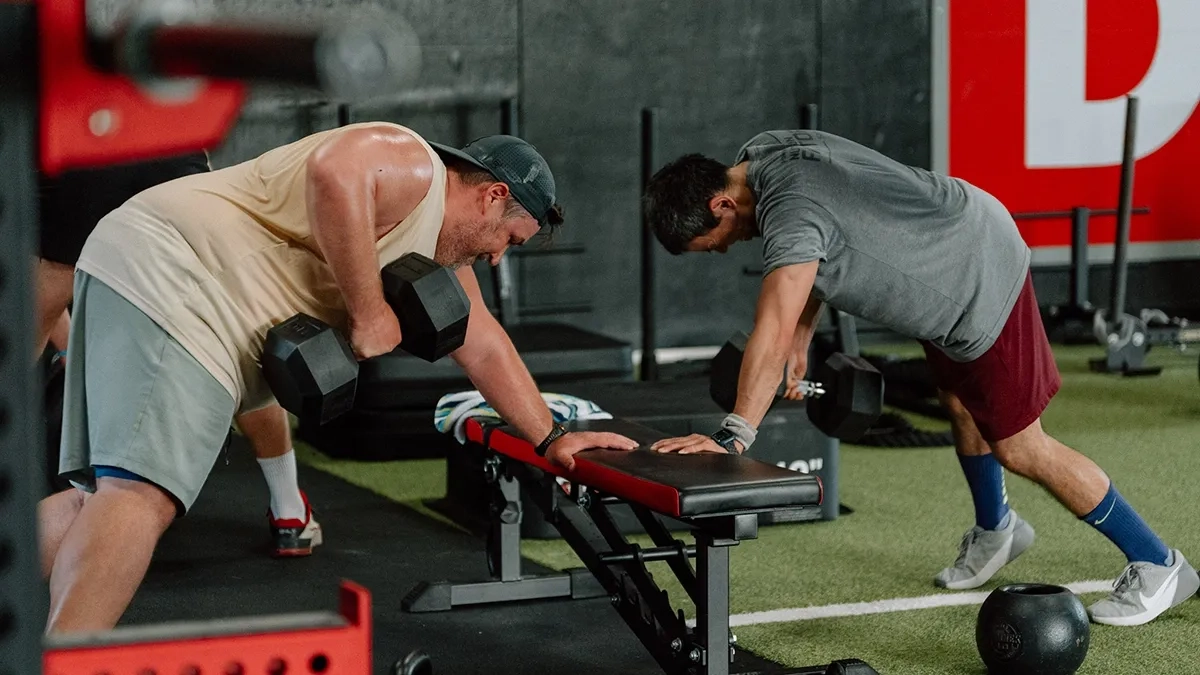
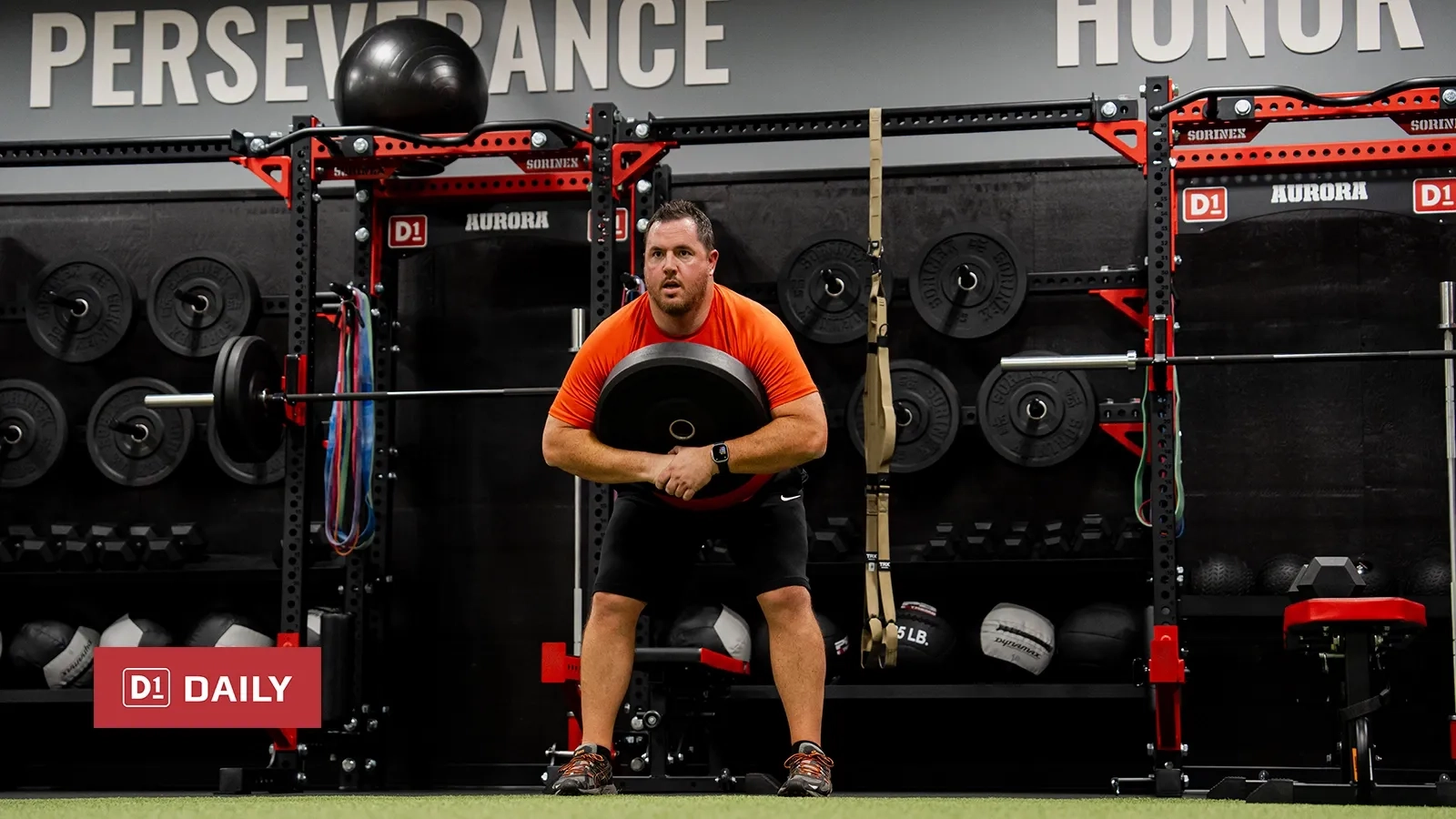
Multi-joint, functional movements are your best bet. Prioritize free weights and bodyweight exercises that engage multiple muscle groups, such as squats, rows, push-ups, deadlifts, and carries. These build real-world strength and coordination.
Resistance bands and machines can supplement safely, especially for joint protection or targeting weak areas. Most importantly, focus on form, controlled tempo, and full range of motion.
At 50 and beyond, the goal isn’t just looking strong, it’s staying capable for whatever life throws your way.