Coach's Corner: Three Tips For Beginners Over 60 For Strength Training And Fitness | D1 Daily
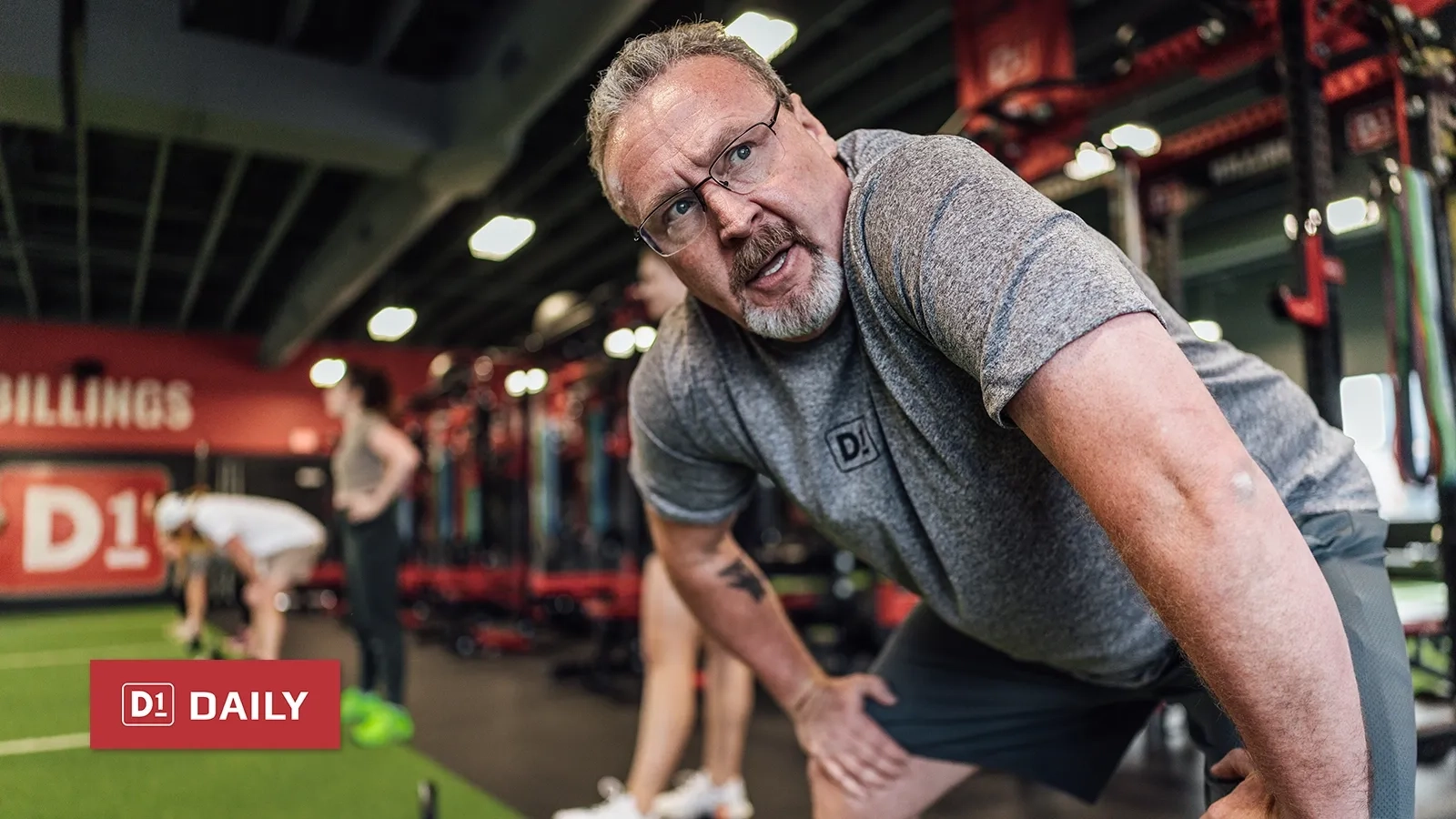
Jeff Fish is D1 Training's Senior Director of Coaching. In the Coach's Corner, Jeff shares his insight gained from more than 30 years working in strength and conditioning.
Editor’s Note: Jeff recently had the opportunity to contribute to a Fit & Well article about fitness and strength training for people over 60. What follows is information Jeff submitted to the publication’s editors. To read the full article, go here.
Once we reach the age of 60, the key to working out is to listen to your body and focus on movements that improve your daily life. It's important for beginners over the age of 60 to always consult with a doctor and ease into exercise to avoid injury. Below are my key tips for beginners over 60 who are looking to get active:
1. Consistency Beats Intensity
Small movements every day equate to better results than one or two high-intensity workouts per week. Overexertion increases injury risk and leads to quick burnout.
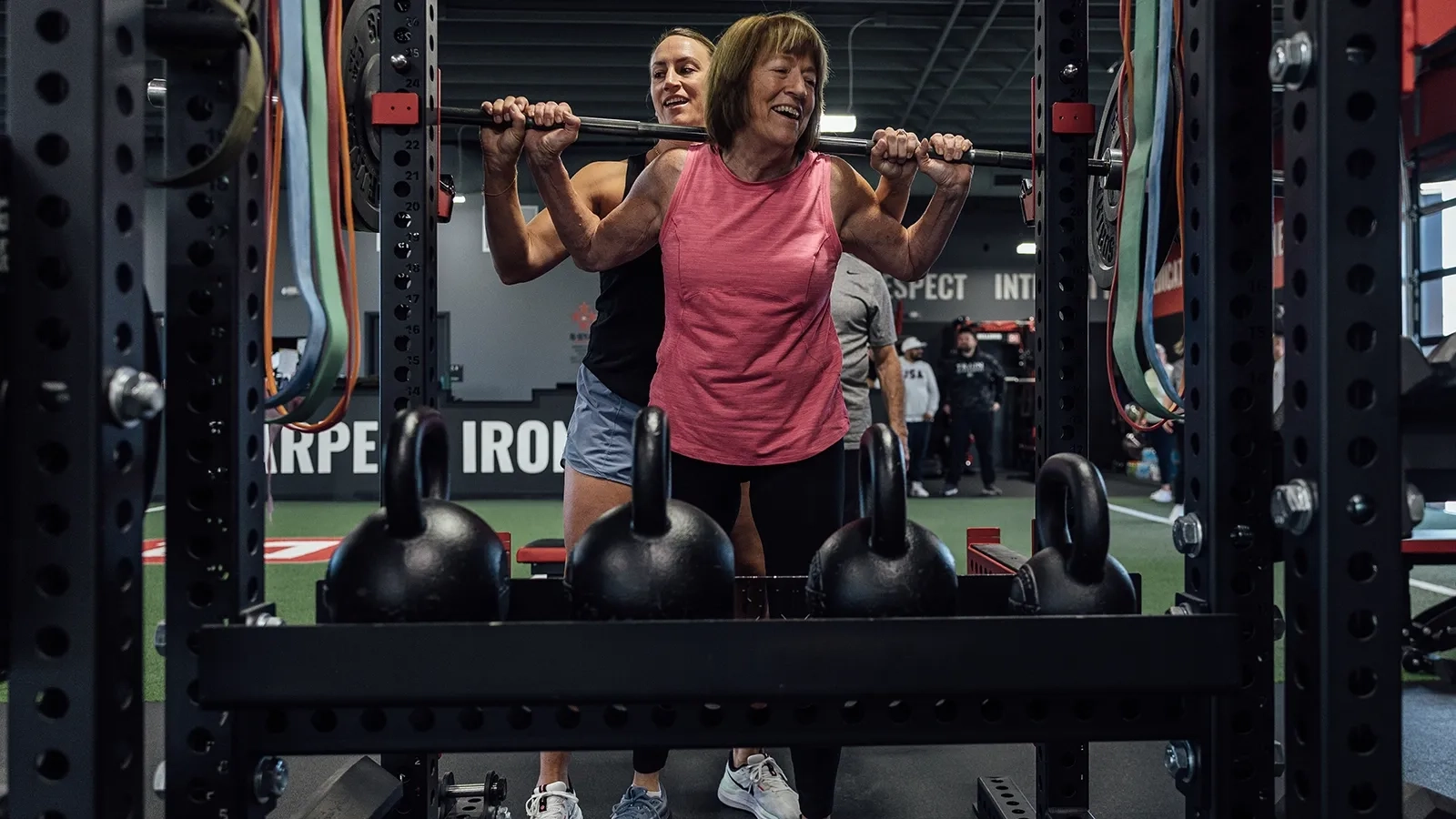
What's less talked about is why: after 60, your nervous system's tolerance for intensity drops alongside your body's — recovery windows are longer, and stress accumulates differently than it did at 40. Consistent, moderate movement builds sustainable habits and allows for gradual adaptation, producing better long-term health outcomes than chasing intensity ever will.
2. Build The Foundation: Mobility, Stability, And Functional Strength
As we age, we naturally lose muscle mass — a condition called sarcopenia — and by 60, this loss is noticeable, making everyday movements more challenging. Research shows adults can lose 3–8% of muscle mass per decade after 30, with that rate accelerating after 60.
But muscle loss alone isn't the biggest risk. The loss of coordination, balance, and reactive stability is what makes falls the number-one functional threat for this population. That's why I prioritize single-leg stability work, controlled deceleration drills, and rotational movements over traditional isolation exercises. These build the neuromuscular connection between your brain and your body — improving balance, posture, and your ability to react when the ground isn't perfect.
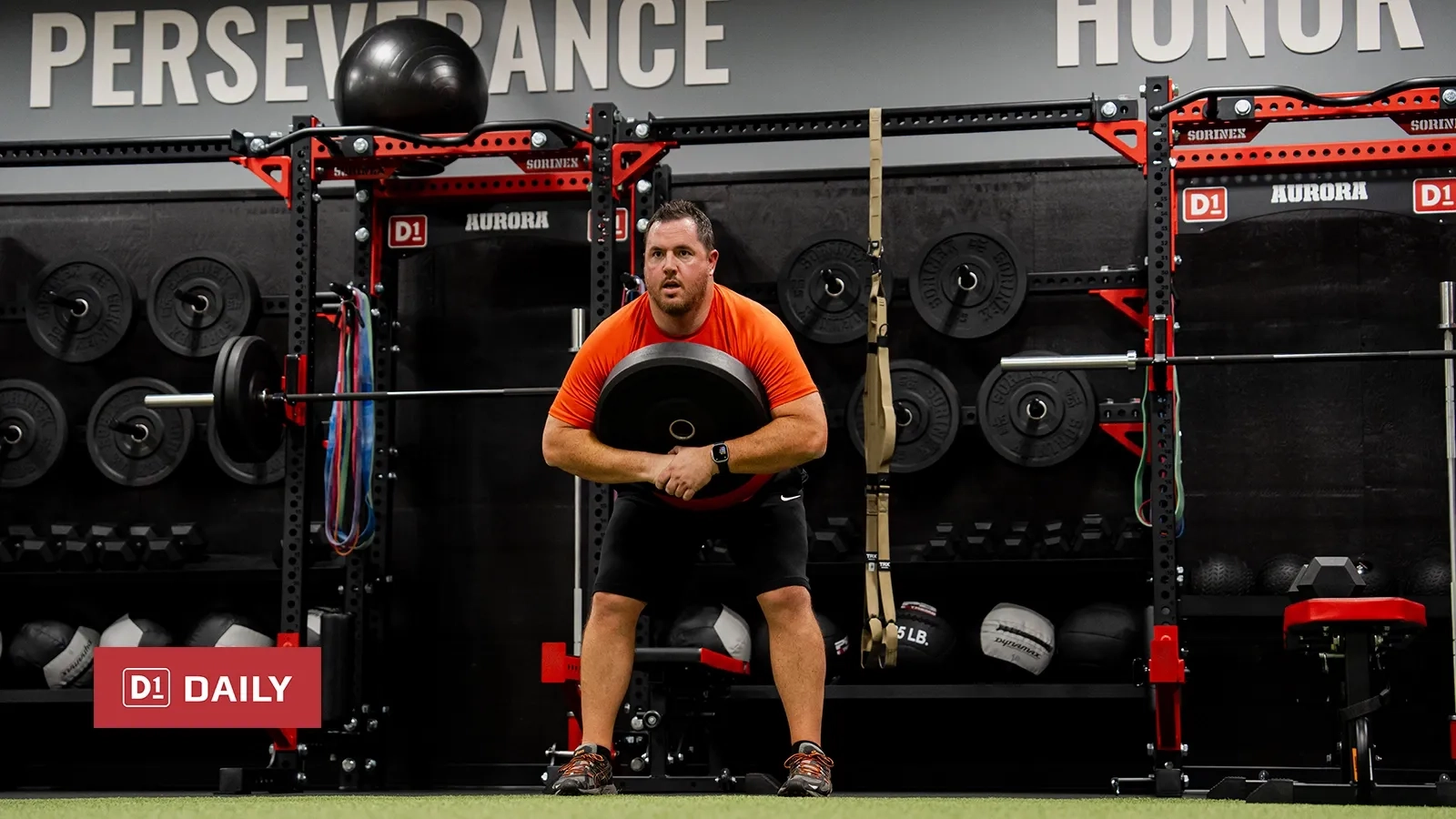
Squats, step-ups, lateral shuffles, and hip hinges are all functional movement patterns that transfer directly to real life and protect the joints and lower back in the process.
3. Low-Impact Cardio And Strength Training — More Than You Think
A realistic weekly routine for someone over 60 should include at least 30 minutes of aerobic activity 5 days a week. Walking, swimming, and cycling are excellent choices — they build cardiovascular capacity without compressing joints or stressing the lower back.
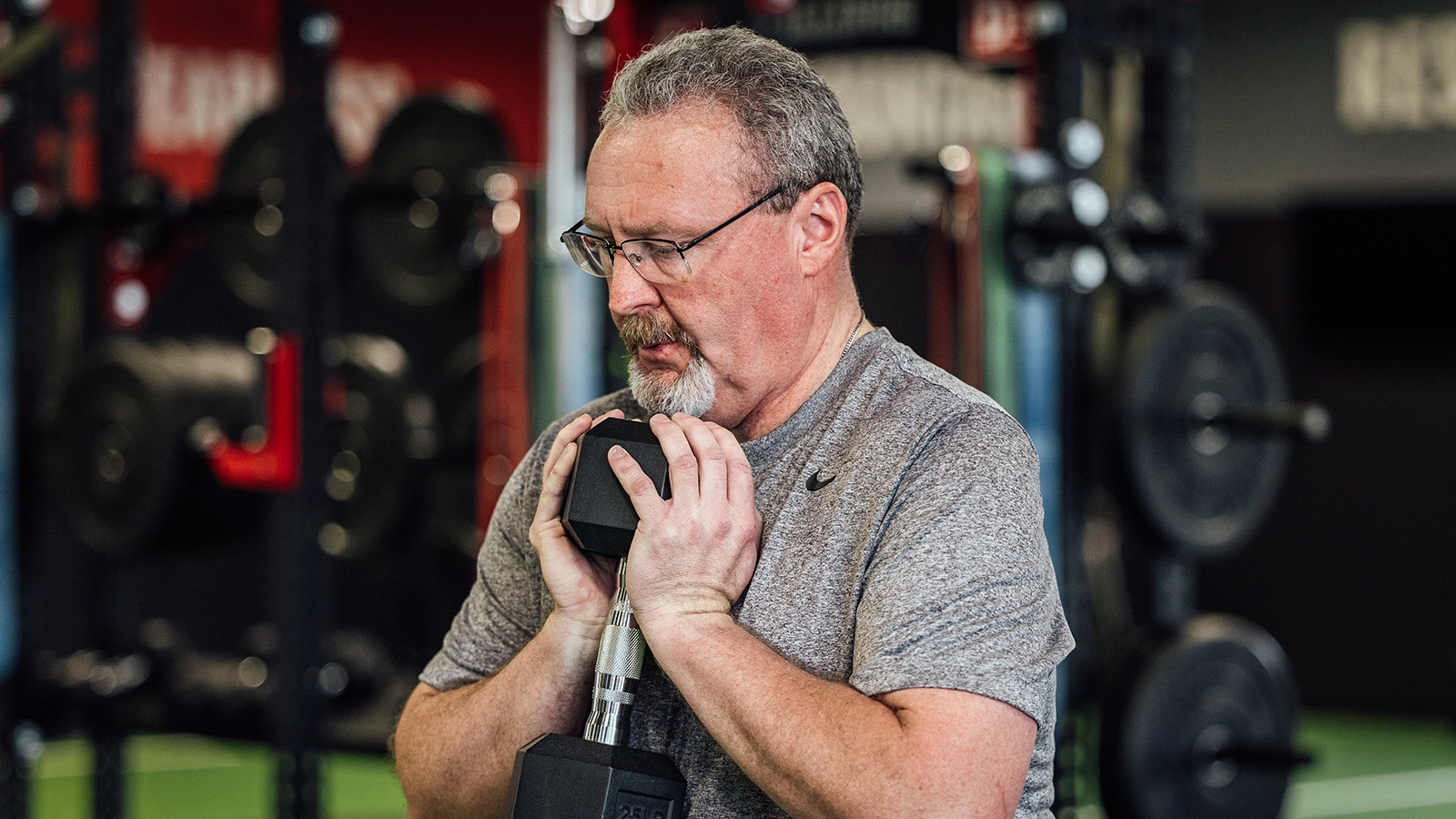
On the strength side, I actually push my clients toward three sessions per week rather than the commonly cited two. The goal at this stage isn't aesthetics — it's preserving bone density, maintaining joint integrity, and keeping the muscles that protect your hips, knees, and spine strong and responsive. Three sessions a week, with appropriate loading and adequate recovery between, gives your body the stimulus it needs to adapt without accumulating the kind of stress that breaks you down.
It's not about doing more. It's about doing enough, consistently.

D1 Training is built for the Everyday Athlete—no matter your age or fitness level. Whether you’re looking for personalized coaching through personal training, the energy and accountability of a group fitness class, or a variety of high-impact fitness classes, our expert coaches are here to help you reach your goals. D1 also specializes in youth strength and conditioning, developing young athletes with age-appropriate programming that builds confidence, strength, and long-term success. Wherever you are in your fitness journey, D1 is the place to train.